
Critical illness does not follow business hours. Patients deteriorate overnight, on weekends, during holidays, and at the exact moments when hospital staffing can be most limited.

Critical illness does not follow business hours. Patients deteriorate overnight, on weekends, during holidays, and at the exact moments when hospital staffing can be most limited.

At the height of summer, many hospitals are managing the cumulative effects of prolonged high temperatures, including heat exhaustion, heat stroke, dehydration, acute kidney injury, rhabdomyolysis, cardiac strain, and complications from chronic illness.

How hospitals are using virtual nursing to support bedside teams, improve workflow efficiency, and maintain consistent on-site patient care.

How hospitals are using virtual nursing to support bedside teams, improve workflow efficiency, and maintain consistent on-site patient care.

How hospitals are using virtual nursing to support bedside teams, improve workflow efficiency, and maintain consistent on-site patient care.

How hospitals are using virtual nursing to support bedside teams, improve workflow efficiency, and maintain consistent on-site patient care.
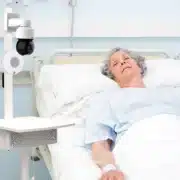
How hospitals are combining machine learning and remote critical care support to identify sepsis earlier and improve patient outcomes.
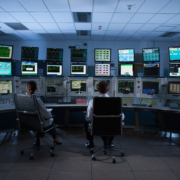
See how hospitals evaluate tele-critical care partners, from credentialing and security protocols to clinical oversight and accountability.
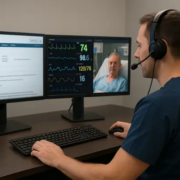
How hospitals are using virtual sitting to expand observation coverage while supporting bedside teams.

Learn how CMS Rural Health Transformation funding can support teleICU services for rural hospitals through remote critical care and ICU telehealth.